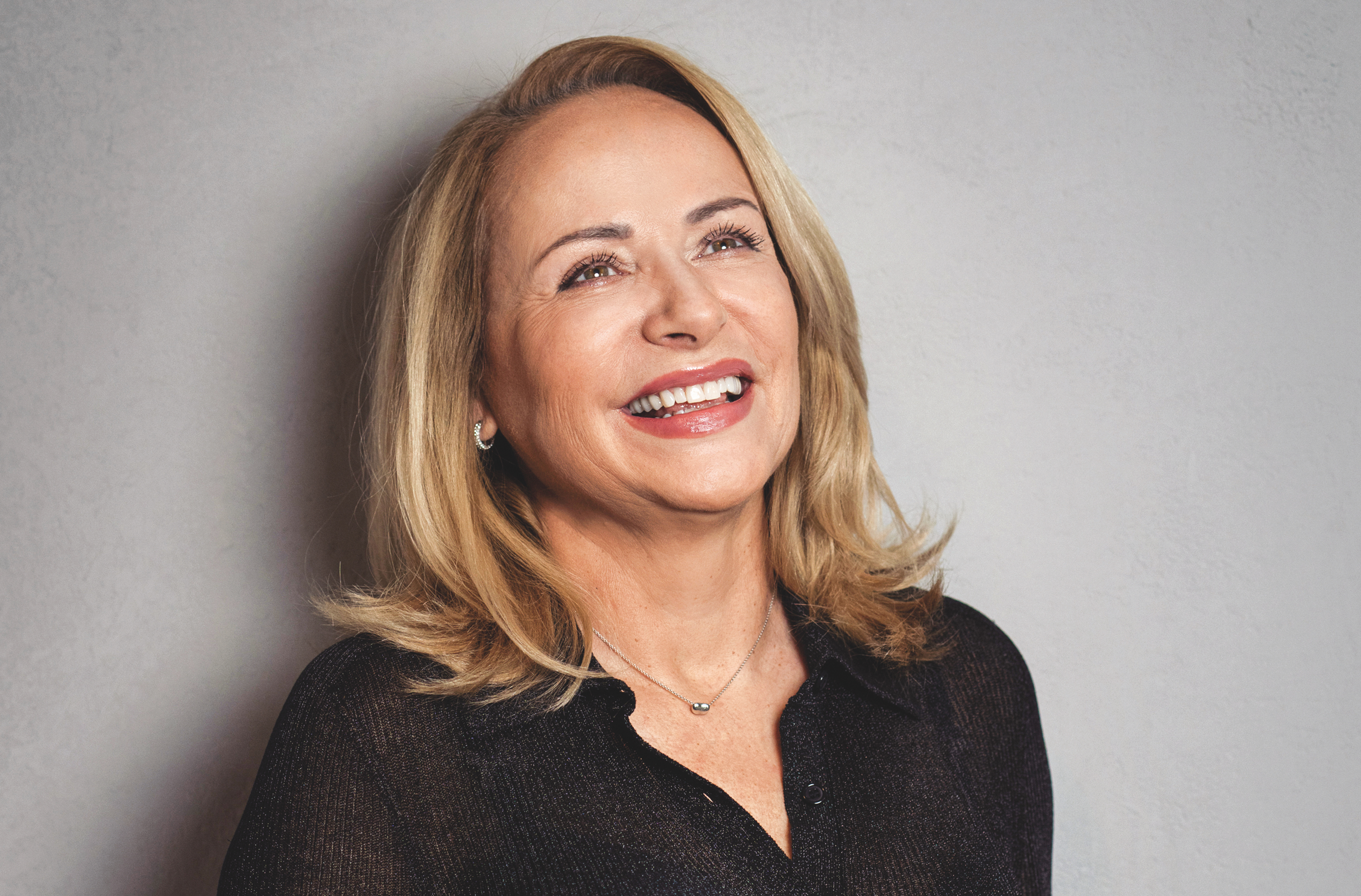
In October 2021, Tom Philipp succeeded in the parliamentary elections and entered the Chamber of Deputies as an MP for KDU-ČSL, then part of the governing coalition. Four years later, he defended his mandate, remained in the lower house, and even became chair of the parliamentary caucus. The governing majority, however, was formed by other parties, and he has had to adapt to a different style of work.
How big a change is it to move from being an MP of the governing parties to an opposition MP? Is it less work?
It is not less work, it is a different kind of work. You move from a role where you seek consensus on government proposals and help “see them through into practice” to a role where you systematically scrutinize the governing coalition and offer your own alternatives. Opposition work is mainly about asking questions – interpellations, detailed readings and assessments of the impacts of laws proposed by the government. It is also about applying pressure for transparency and fairness in decision-making. And honestly, overseeing the government is extremely time-consuming. On top of that, support for MPs in the form of assistants and expert analyses is limited in the Czech context, so a large share of the work remains with the MP personally – You have to go through proposals, evaluate them, and prepare your own positions and amendments, often largely on your own.
“Dry February” has been gaining popularity in Czechia. Is the country among the worst affected by alcohol and alcoholism worldwide? And what can be done to change that?
Unfortunately, we rank among the countries with the highest alcohol consumption – in the long term, around 14.4 litres of pure alcohol per person aged fifteen and over per year. That in itself represents a major burden on health and the economy, and above all reflects our high tolerance of drinking – alcohol is still far too normal a part of everyday life here. At the same time, it is not just about averages: according to the latest official data, 15–18 percent of the population drink at risky levels, roughly 1.3–1.6 million people. That is precisely why initiatives such as Dry February are positive – they help, at least temporarily, to shift social norms. According to the organisers, around 1.6 million adults took part last year, and many then extend their abstinence because they feel its positive effects. That is very important, because alcohol has a truly significant impact on health. It increases the risk of a range of cancers – for example of the oral cavity, oesophagus, liver, intestines and breast. It damages the liver, leading from fatty liver to cirrhosis, raises blood pressure, worsens sleep, and negatively affects mental health – it can deepen anxiety and depression. Because it reduces self-control and increases risk-taking behaviour, it also leads to more accidents, falls and traffic injuries. It is also fair to say one important thing: from the perspective of cancer risk and other diseases, there is no “safe” dose of alcohol.
Can we take inspiration from countries such as Germany and Austria, where alcohol consumption is actively being limited?
Germany and Austria are ahead of us in a number of areas. Here we need a combination of measures – limiting the availability of alcohol and advertising, strict enforcement of bans on sales to minors, strengthening prevention among children, early identification of risky drinkers by general practitioners, and improving access to addiction treatment. At the same time, we need clear communication about health impacts – because, as I have already said, there is no “safe” dose of alcohol in terms of disease risk.

In Czechia, beer is hardly perceived as alcohol and is often seen more as a food, while reducing its consumption is viewed as a negative rather than a positive economic indicator. Is this something that cannot be changed, or are there positive trends?
Change is happening gradually – although that for some people the idea still prevails that beer is not alcohol but part of Czech identity. Still, there are positive trends. Beer consumption has been declining over the long term, from 155 litres per person in the 1990s to 130 litres in 2024, while wine consumption remains relatively stable – 19.5 litres per person in 2024. The offer is changing as well – breweries are focusing more on non-alcoholic variants, and non-alcoholic beer now accounts for almost 10 percent of production. There is also an important shift among young people: alcohol is less “cool” for them. Gradually, we are moving away from “the more, the better” toward the idea that it is normal to drink less or not at all – which is good news in terms of health and safety.
One of the new addictions is becoming addiction to social media. France wants to be the first European country to ban it for under-eighteens, similar to alcohol. Is this a path Czechia should follow as quickly as possible?
In France, the debate now focuses on banning social media for children under fifteen, mainly through mandatory age verification by platforms. I would not go down the road of a simple “on paper” ban that cannot be enforced. Rather, we should adopt smart and effective rules: giving parents real control tools, introducing stricter yet privacy-respecting age verification, setting default limits such as “digital curfews,” restricting addictive design features for minors, and limiting advertising targeted at children. Alongside that, we need to systematically strengthen digital literacy in schools. The goal is not to cut children off from the world, but to protect them from addictive design and harmful content.
We now have a new minister for sport, prevention and health. Has he already presented his plans in the Chamber? Can such a ministry make sense in Czechia, and under what conditions? Or is it simply a “political sinecure”?
Plans introduced by the new minister Boris Šťastný have already been presented in the Chamber. His main aim is to link sport, prevention and health and to this agenda concrete priorities. It is clear, however, that the creation of this post was originally a political sinecure for the Motorists party – surveys show that roughly half of the public perceive it that way. Still, it can make sense if it is not just a label. There must be clearly defined competences, an adequate budget, and above all measurable goals and evaluation of impacts. And because this is a cross-cutting agenda, the key question will be whether the minister can genuinely coordinate steps across ministries – education, health, transport, agriculture and others.
Europe and the wider Western world are enthusiastic about new anti-obesity drugs. Would it be right, in your view, for Czechia – which has one of the highest obesity rates in Europe – to reimburse this treatment? And should it apply only to people who are genuinely obese, or also to those who are overweight?
Yes, obesity is a major problem here. According to the National Institute of Public Health, around 21 percent of men and 18 percent of women are obese, and among children it has long been a serious issue that the pandemic further exacerbated. At the same time, it is true that new obesity drugs are not a “miracle pill” for everyone – they should be part of comprehensive treatment, under medical supervision and with clear indications. At present, some modern medications in Czechia are reimbursed mainly for patients with specific diagnoses, typically type 2 diabetes. In my view, that is the right direction. If broader reimbursement is considered, it should be targeted – primarily at genuinely obese patients with complications, and certainly at those with morbid obesity, where the benefit is greatest. For people who are “only” overweight, I would be much more cautious – prevention and lifestyle-based treatment make more sense, with reimbursement only in specific cases and always linked to a structured programme of nutritional guidance, increased physical activity, and ongoing evaluation of results.
The author is a European editor of Deník

CV BOX
Tom Philipp (born December 26, 1968, in Prague) is the Head of the Rheumatology and Rehabilitation Clinic of the Third Faculty of Medicine at the Charles University and the Thomayer University Hospital, MP, Chairman of the Board of Directors of the General Health Insurance Company (VZP), member of the Prague 12 Municipal Assembly, and former Vice-Chair of the KDU-ČSL.
Following his graduation from the Second Faculty of Medicine at Charles University in 1993, he started working as a physician at the rheumatology ward in the Thomayer Hospital, later serving as Deputy Director (2005–2014). In 2014, he was appointed Deputy Minister of Health, a position he held for four years. From late November 2018, he worked at Agel, a.s., as the First Vice-Chairman of the board and Director of the Jeseník Hospital. He never fully severed ties with Thomayer Hospital and eventually returned there full-time.
He has been a KDU-ČSL member since 2002 and an MP since 2021. After eight years of serving as a member of the VZP Board of Directors, he became its Chairman in February 2022.
Philipp lives in Prague. He is married and has five children. He enjoys hiking, cycling, cynology, and fishing. Politics remains his primary hobby, however.
reklama