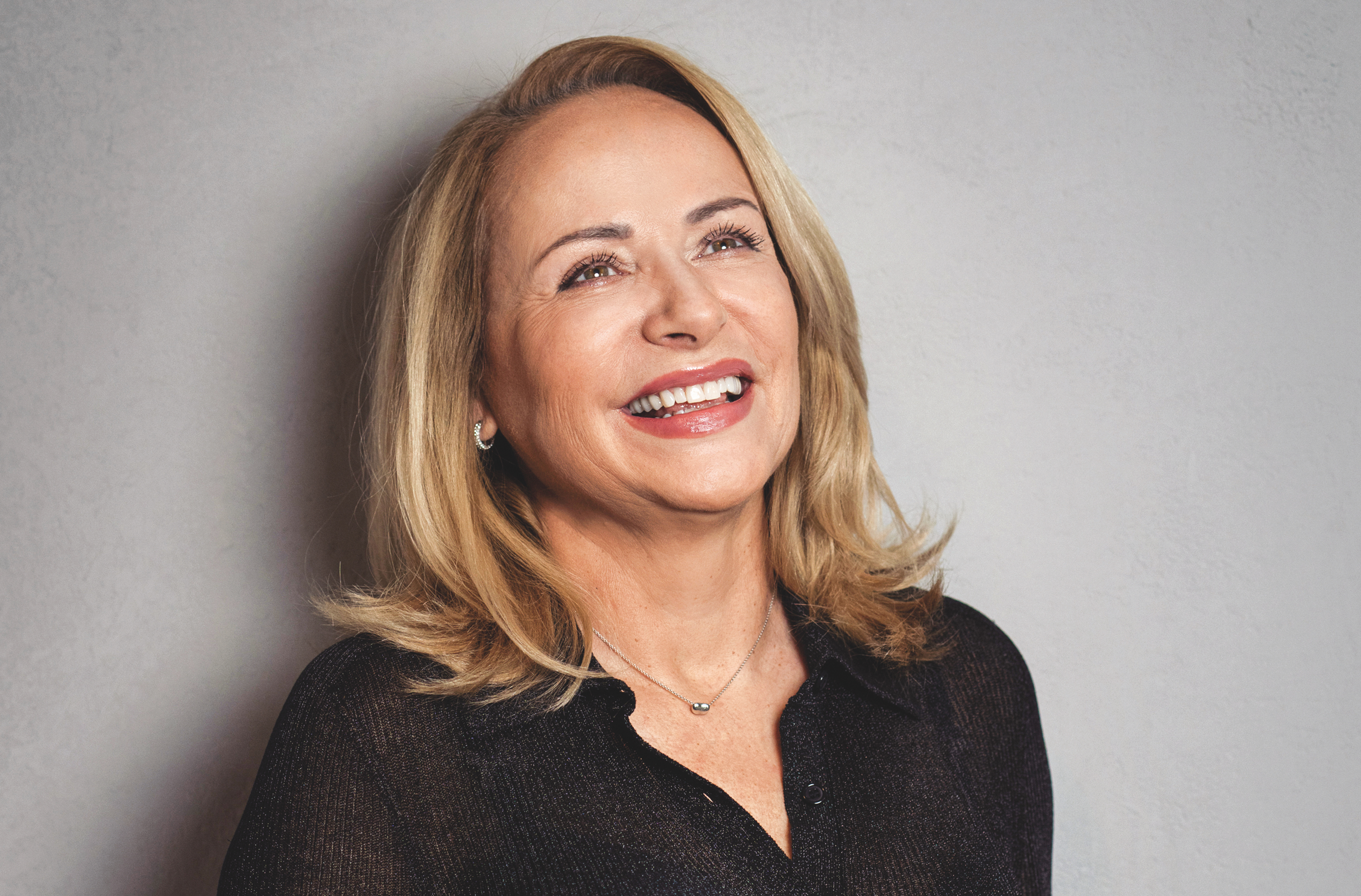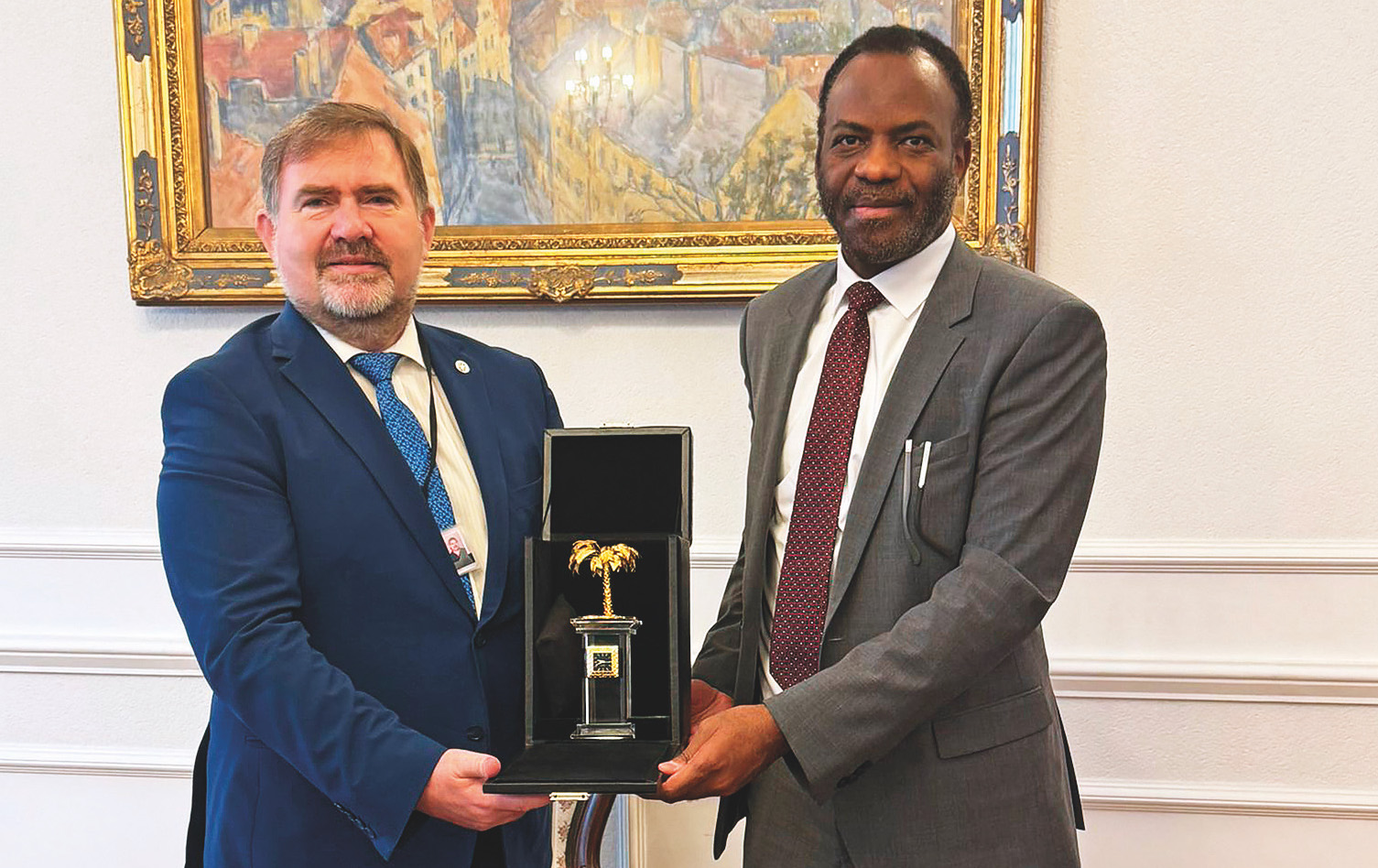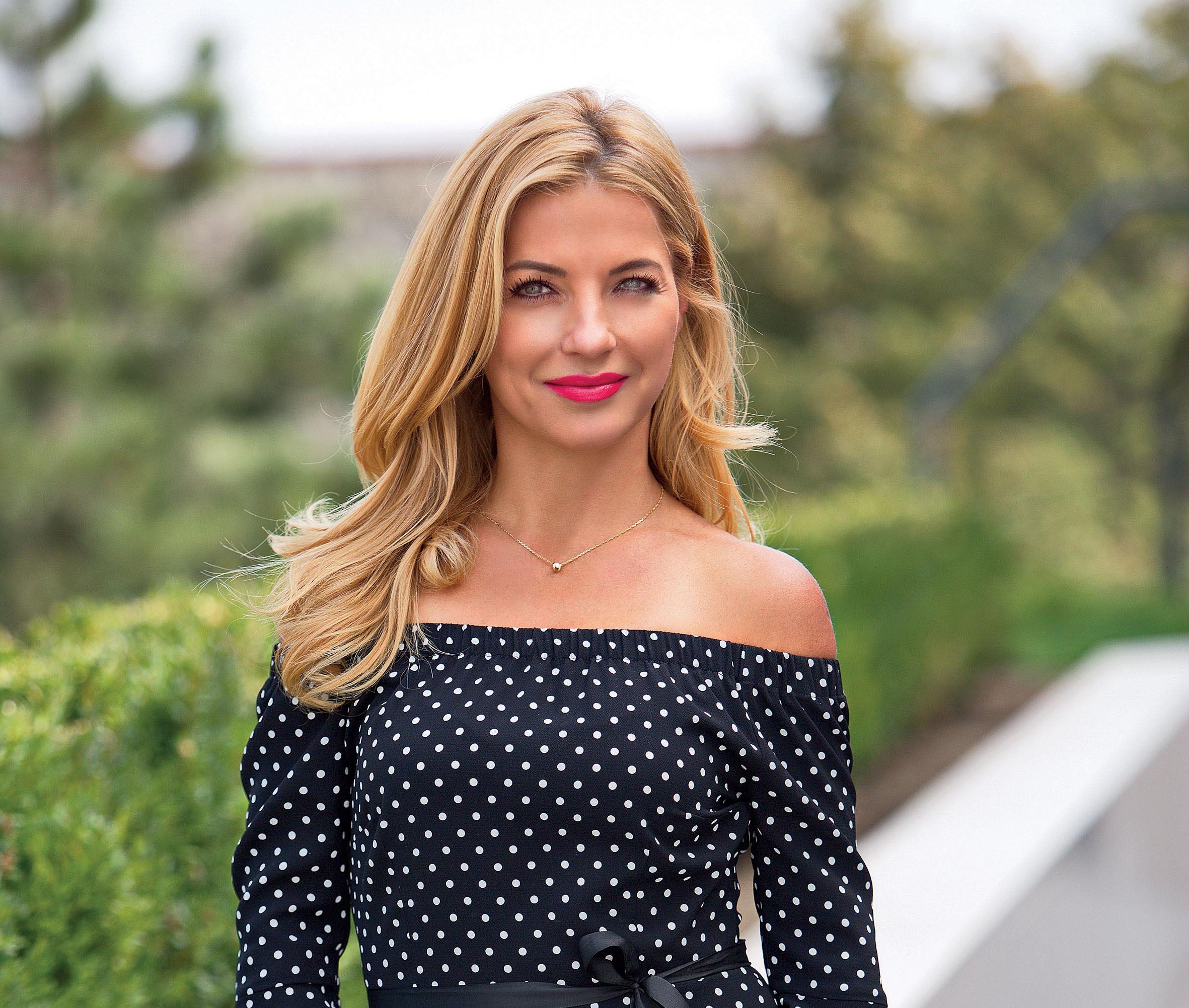
Late this November, Slovak Minister of Culture Martina Šimkovičová attended a convention of the European Education, Youth, Culture and Sport Council in Brussels for the first time, where the head of the Slovak culture department clearly declared her support for the entire artistic community, emphasizing improvements in social security.
Improving conditions for artists was one of the main topics of the meeting in Brussels. Does it mean that Slovak artists and the workforce in culture in general are in for better times?
Improving conditions for artists as well as all professionals working in the field of culture was the main topic of the meeting. I believe we can all clearly remember the pandemic period when it was specifically the artistic community that was impacted the most. This must not happen again. If we do not improve the social standing of people working in the field of culture – and I don't mean just artists themselves but also all the other personnel, starting with sound engineers and camera crews all the way to editors and everybody else involved in the final form of each piece of work – we cannot expect culture to maintain the status of our national treasure. We need to present a clear, comprehensible, and primarily sustainable vision to all stakeholders. To ensure that we not only motivate them to work in this field but also keep them interested. I believe that the times when some artists were forced to work second jobs as taxi or delivery drivers are in the past. I will do my utmost to maintain that.
Improving working conditions for artists and other professionals working in culture is one of the positions you have promised to uphold as part of the government policy statement. Does it mean that it's not only a priority in Europe but also one for you, personally?
I will do everything within my power from my position to that end. We need to realize that culture doesn't only create economic values but primarily shapes our identity. It helps us build a better world and a legacy for future generations. Culture is one of the highest values, which is why people who are part of it, literally forming its DNA, deserve the very best conditions. It's clear that issues related to social security, labor laws, and taxation that people working in the field of culture are dealing with are of a long-term nature, and the aforementioned pandemic only shone a light on them a little more closely.

The so-called status of the artist is being discussed more and more in the EU. Do you identify with this initiative?
It is one of the options that could bolster the standing of artists and help us improve their social security. The status of the artist is not anchored in Slovak legislation but it could certainly help us keep those who are already working in the field of culture and even serve as motivation for future artists. Everything has its time, and there is a considerable number of matters that are literally burning at the culture department, not just this specific one.
You leveraged the first convention in Brussels to conduct bilateral meetings with various ministerial partners from all over Europe. What possible opportunities for cooperation have you identified?
I have had numerous meetings. I will mention my colleagues from Czechia, Spain, Italy, Germany and France, Slovenia, Austria. We already agreed on a future meeting and a joint project with the Croatian minister. I am very much looking forward to it. We are planning a similar kind of cooperation in Italy as well, I believe. I'm planning to visit Bad Ischl, the European Capital of Culture. They were essentially initial introductory meetings where we outlined mutual options for bilateral cooperation between our departments. To sum up, it is important that our culture has a space abroad as well and that it is a solid part of the lives of Slovak people living there. Naturally, there is a wide array of options, be it various art shows or performances of our artists, and so on.
You also supported the Day for the Elimination of Violence Against Women whilst in Brussels. How do you personally feel about this initiative?
I am a woman, a mother of two daughters, and I stand firm against any kind of violence, be it physical or mental. If an orange scarf is one of the options, or rather forms, of initiating a discussion about this topic, I am always happy to join in. Sadly, despite how developed society is and how far we have progressed, this topic is still very pertinent. There are still women who need to know that they are not alone, that there are institutions they can turn to. No kind of violence is okay and never will be.

In October 2023 when the new Slovak government was being sworn in
CV BOX
Martina Šimkovičová (born August 29, 1971, in Modra) is a Slovak TV host, former member of the Slovak National Council, and the incumbent minister of culture.
In 1993, she earned a master's degree in special needs education from the Comenius University Faculty of Education, where she also earned an Ed.D. title in curative education in 2015.
In 1998, she started working for TV Markíza, where she ultimately ended up being the evening news anchor. She left after nearly 18 years and hosted debates on the Slovan live TV stream.
In 2016, she was elected into the Parliament for the Sme rodina party. She left two months later and continued as an independent. In 2019, she ran for the European Parliament for the Starostovia a nezávislí kandidáti party but didn't make it through the election. A year later, she didn't succeed in the National Council election for the Hlas ľudu party. She has found success in this year's snap election under the SNS flag, becoming an MP and getting nominated for the post of minister of culture by the coalition.
Šimkovičová is married and has three children – daughters, Petra and Sofie, and son, Marek.
reklama