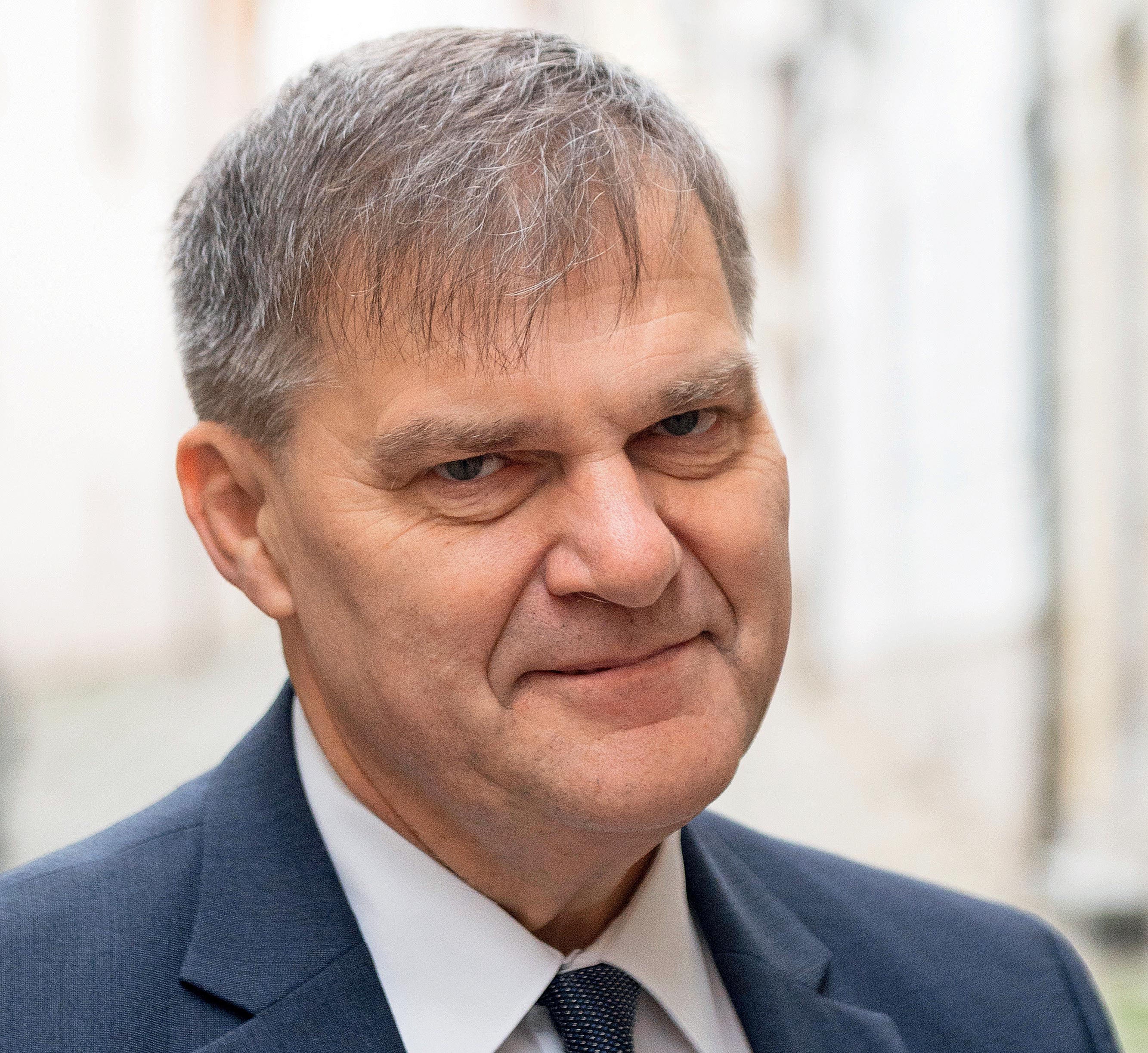
In January, Rudolf Jindrák will have finished the first year of his posting as ambassador to Slovakia. He experienced the full swing of the pre-election campaign, not short on sharp jabs from all sides. And, of course, he also witnessed the forming of the new Slovak government.
As an experienced diplomat, did the outcome of the Slovak parliamentary election surprise you?
Not entirely. The success of the SMER-SD party had been foretold not only by the results of election polls but also by the divides within Slovak society. Simply put, the division into two camps had become obvious a while ago, and it was all a matter of which side would be more successful and subsequently manage to build a majority coalition in the Parliament. A bit of a surprise, and here I’ll undiplomatically admit it was a positive one, was the failure of certain parties and movements built on radical positions that didn’t make it into the Parliament. I expected at least some of them to pass the five percent line needed to enter the National Council.
What state did Robert Fico’s cabinet receive the country in?
Slovakia’s current economic situation really isn’t good at all. This is mainly in terms of public finances, which are in a bad way. Slovakia will finish this year with one of the biggest national budget deficits in the EU; we’re talking almost 7 billion compared to the deficit in 2022, which came up to 2.2 billion EUR. Aside from that, in recent years, Slovakia has become one of the poorest countries in the European Union, which will certainly be a major challenge for the new Slovak government regarding fulfilling its touted consolidation of public finances, and the extent thereof.
During his campaign, Robert Fico coined the motto “Not a single bullet for Ukraine”. Will Slovakia join Viktor Orbán’s Hungary as a country refusing to support Ukraine with arms?
I’m convinced that won’t be the case. The parties involved in the new government coalition were saying even before the election that they wouldn’t give away any military equipment from army stores or other resources of the Slovak army. What’s important to note, however, is that the new Slovak government will not stand in the way of the commercial shipments of weapons or other equipment. Also worth noting is the will of the Slovak political representation to offer Ukraine help in other areas – aside from continuing to provide humanitarian aid, this also includes, for example, active help during the demining of affected areas in Ukraine.
Could the new government’s attitude towards Ukraine harm Czecho-Slovak relations?
I am of the opinion that issues caused by external factors that either the Czech or the Slovak side couldn’t affect in any way shouldn’t be an obstacle to the development of mutual relations and shouldn’t complicate them in any significant way, either. But that doesn’t mean we’ll be avoiding these topics in our mutual agenda.
There’s also the prevalent fear that the new government might choose the direction of destroying democratic fail-safes and infringing on the rule of law. How do you feel about the first steps of the new cabinet?
I think any proper judgment must be passed after some time and with the knowledge of the context and all repercussions of these steps. Slovakia is under the rule of law and is a member of the same value communities as Czechia, and I can’t imagine that the current political representation would want to leave these communities or otherwise complicate their stay in them. That’s what they’ve been declaring in all the basic policy statements that have been accepted by the new coalition so far.

With Slovak President Zuzana Čaputová, receiving the letter of credence
Do you see anything positive in the new government’s program regarding Czecho-Slovak relations, which are often called exceptional?
It certainly is the aforementioned assurance from the current government about the EU and NATO-centric direction of Slovakia’s foreign politics. For me personally, there’s one very important sentence from the government’s policy statement regarding cooperation with the Czech Republic, where the Slovak government clearly declares its effort to dedicate special attention to mutual relations, and to not let anything endanger them. I really appreciate this very clear statement from the Slovak government.
The Slovak people pay significantly less for energy. How has Slovakia achieved this, and is there something Czechia might follow and get inspired by?
When it comes to the energy industry, Slovakia is in an altogether different situation. After switching on the third block of the Mochovce nuclear power plant, the country became self-sufficient in producing electricity. The state is the direct owner of a number of power sources, which makes its position during negotiations much easier. This is the model the existing electricity price ceiling for Slovak consumers was built on. The question is what the long-term sustainability of this solution might be. But the fact remains that if there were to be some sort of an upward leap in energy prices in Slovakia, it would greatly exacerbate many issues, especially social ones.
Next year, both Czechia and Slovakia will celebrate twenty years since joining the European Union. Do you feel like a joint celebration might be in order?
The way I see it, a joint celebration makes a lot of sense, and I’d definitely recommend it. You see, an EU membership isn’t just a matter of the current political representation, it’s a matter of values, and the truth remains that values aren’t just something to be talked about, one must stand up for them. And a reminder of our membership in this value community might help us stand our ground.
What do you think should be the main focus of the development of relations between Prague and Bratislava?
First of all, we shouldn’t simply rest on the laurels of the exceptional nature of Czecho-Slovak relations, we must actively develop them. We shouldn’t rely on everything in our cooperation always sort of just happening on its own, on inertia alone – be it governmental or economic cooperation, or even contact between people. That might have been the case in the past. Today, more than thirty years since the split of our state and the birth of two independent republics, the situation truly is different, and we can’t really function anymore without active participation and initiation of specific cooperation initiatives.
The author is a European editor for Deník
CV BOX
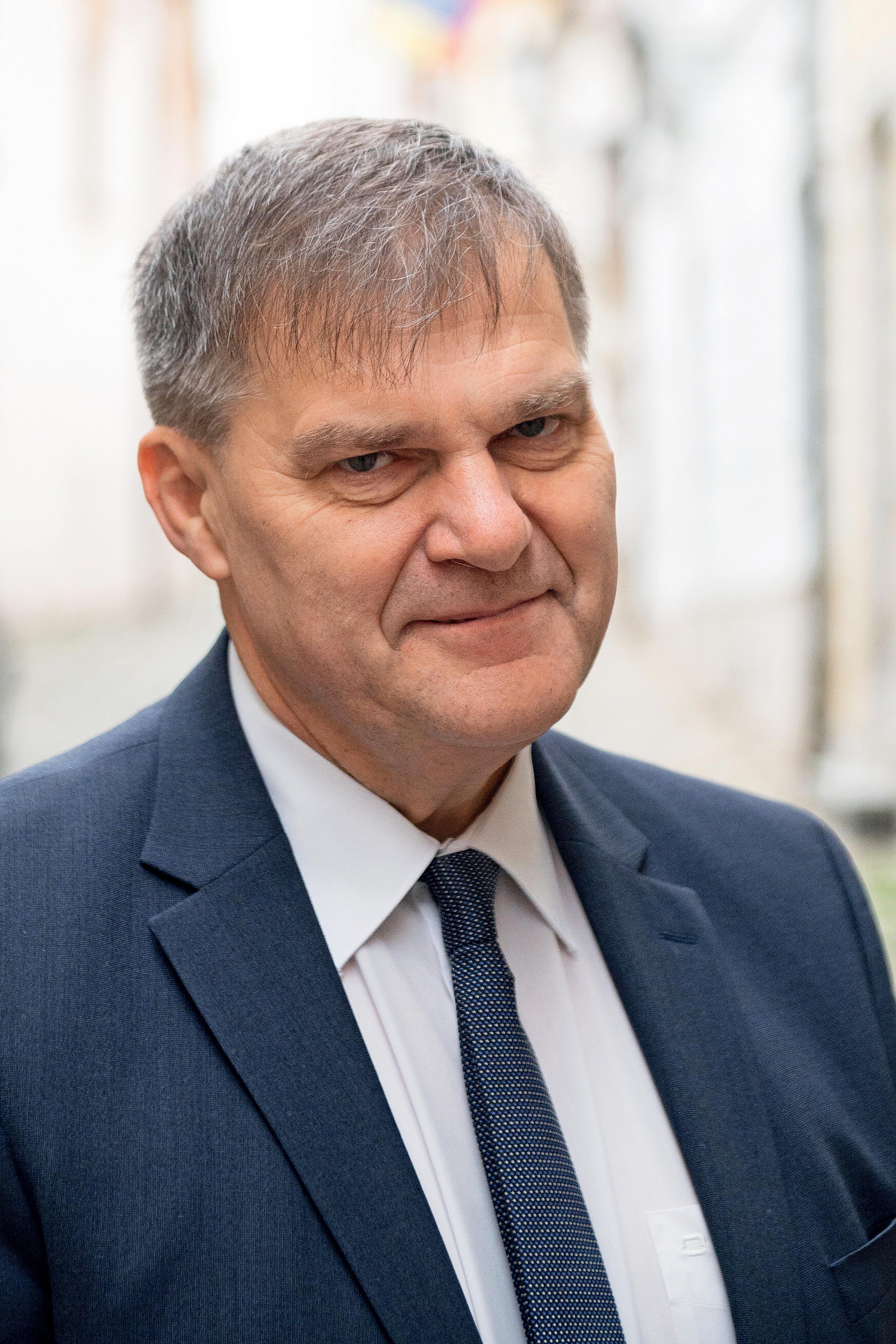
Rudolf Jindrák (born January 25, 1964, in Prague) is the ambassador of the Czech Republic to Slovakia.
He graduated from the Charles University Faculty of Law and has been working in diplomatic services since the beginning of his career. This started in 1986 at the consular department of the Czechoslovak Ministry of Foreign Affairs, where, four years later, he became the head of the Department for Central and Western European Countries.
Starting in 1991, he spent four years at the General Consulate in Munich, then spent two years as the director of the First Territorial Department at the Ministry of Foreign Affairs, and a year as the director general of the Legal and Consular Section. Between the years 1998 and 2001, he was an ambassador to Hungary, and after a three-year stint as the deputy minister of foreign affairs, he became an ambassador to Austria and then Germany.
Starting in 2014, he was first an employee of the Ministry of Foreign Affairs, and then the Office of the Government. Between the years 2017 and 2021, he was the director of the Foreign Department of the Office of the President.
In 2023, he was appointed the ambassador to Slovakia.
Jindrák is married, he has two daughters with his wife Lenka.
reklama