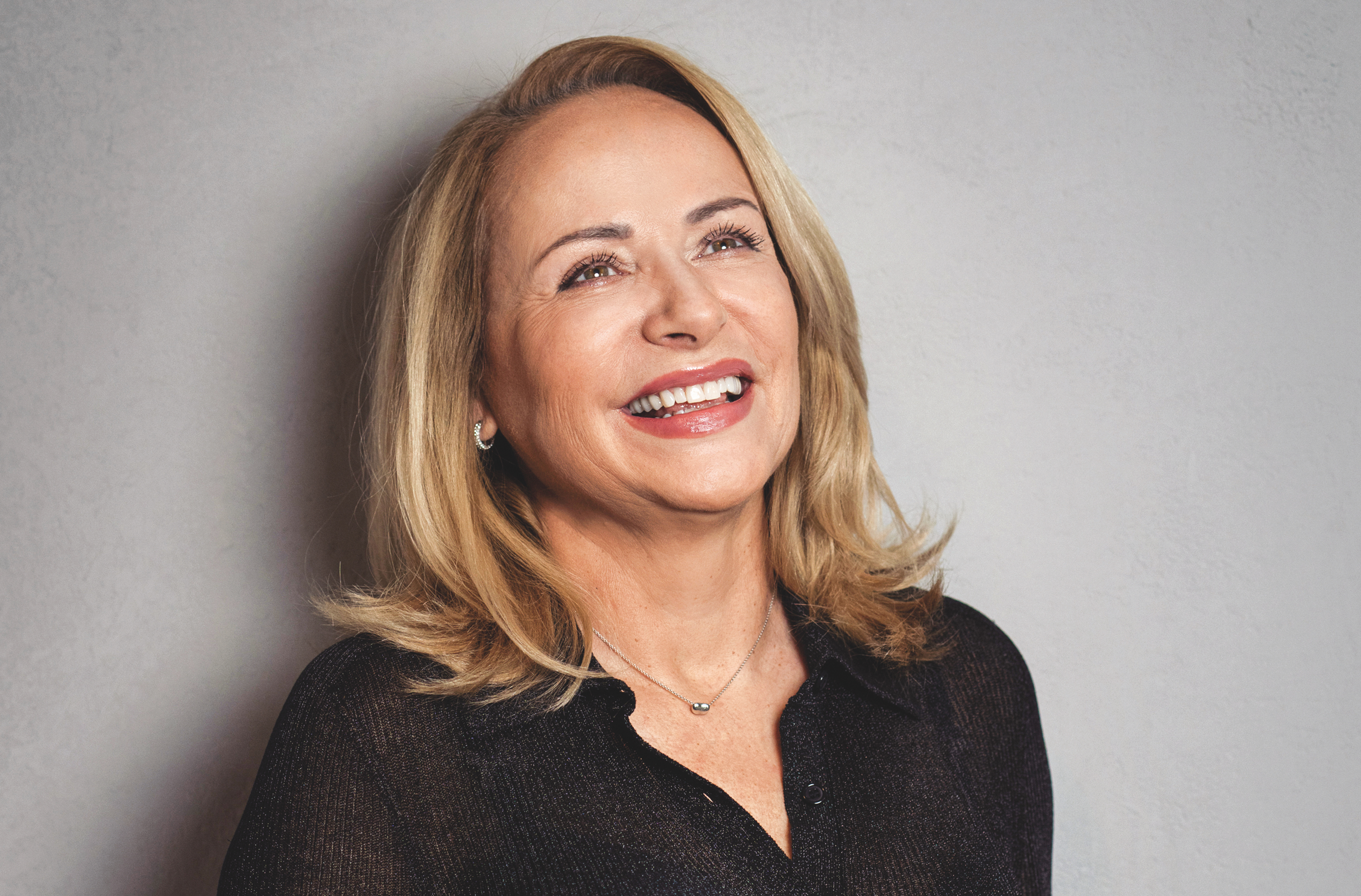
Since October, Slovakia has had a new minister of health. Kamil Šaško, an economist specializing in finance from the HLAS-SD party, took up the position. What are his plans to improve the situation in a sector traditionally considered one of the most challenging?
What are your priorities for the first 100 days in office?
My absolute priority since my appointment as minister has been to maintain peace and keep doctors in the system, and I am doing my utmost to achieve this. I have already held key and challenging negotiations with relevant partners within and beyond the sector, with more to come. My primary goal is to prevent doctors from leaving their patients and to find common ground. I have announced that I will soon present a healthcare plan at the sectoral tripartite meeting, including 30 systemic measures. Another clear priority is the financial recovery of the sector. It is essential to find out where money is leaking out of the system and stop it. The funds in the system must be used as effectively as possible to benefit patients and healthcare workers, ensuring they have dignified conditions for their work.
Can you define the main problems of Slovak healthcare? What steps are you taking to address them?
Slovakia, like many other countries, struggles with a shortage of healthcare personnel. Stabilization has also been included in the Government Policy Statement for 2023-2027. We have already taken initial steps in this regard – adjusting and expanding the competencies of general practitioners and nurses, modifying the residency program to allow residents to be employed by clinics during their studies, and reducing the administrative burden. Financial support from Slovakia‘s Recovery and Resilience Plan has enabled the establishment of clinics in regions where doctors are needed. A total of 10 million EUR has been allocated, which should lead to the creation of about 120 new clinics for adults, children, and adolescents. This program has resonated with young doctors, and we now have over 100 successful applicants. It must be understood that there are no effective solutions in this area that provide immediate benefits. The impact of the measures introduced will emerge gradually, and stabilizing personnel capacities is a “long run.” Like other countries, Slovakia‘s healthcare system is underfunded, and existing infrastructure requires rejuvenation and modernization. Investments in modern resources and equipment are also necessary. In addition to the budgetary resources of the Ministry of Health, we are utilizing EE funds and Slovakia‘s Recovery and Resilience Plan to ensure accessible and quality healthcare – from early diagnosis and necessary treatments to an adequate supply of medicines for our patients.
How do you plan to motivate young healthcare workers to stay in Slovakia rather than going abroad?
I value all the doctors who have stayed in our system, bringing hope and saving the health of our patients, day in and day out. Coming from a family of doctors, I am all the more aware that we must nurture the next generation of healthcare workers to ensure patients are cared for in the future. We need to show students what this work entails. For example, leading experts in general medicine and pediatric care at the Ministry of Health have begun visiting Slovak medical faculties biannually to openly discuss the importance of general practitioners and primary pediatricians with students. We have increased the number of medical students – in the 2024/2025 academic year, medical faculties admitted 158 more Slovak students. However, the effects of this measure will only be felt in the system years from now.

Are you planning changes in the healthcare education system?
In November, I discussed healthcare education at the Slovak Medical University in Bratislava with experts in the field. Together with representatives of academia, medical students, and healthcare providers, we sought solutions to improve healthcare education and stabilize professionals in our healthcare system. Our goal is to implement systemic measures for financing further education (specialization, certification, and continuous learning) of healthcare workers, enhance the practical aspects of additional education, establish simulation centers, and make mentorship a significant dimension of practical learning. We also aim to address adequate remuneration for pedagogical staff in secondary medical schools and university teachers and modernize healthcare schools’ resources and equipment.
What steps will you take to increase the efficiency of financing in Slovak healthcare? Do you plan to optimize the ministry‘s budget?
If I were to describe the budget in one word, it would be “consolidation.” I view it not only as a financier but now also as a minister responsible for one of the most demanding sectors. I already see that some items are underfunded, but we must recognize that it directly ties to the need to revitalize public finances, which were left in a dire state by the previous administration. No minister is ever fully satisfied with a budget proposal, as they can always envision numerous new and growth-oriented projects that could be realized with more favorable financial conditions. Nevertheless, I believe we can manage the challenges ahead with the allocated resources. I remain focused on tracking financial flows within the system, looking for ways to use them efficiently, and identifying potential savings.
Healthcare always reflects regional specifics, and the central government doesn‘t always account for them. Do you have a plan for effective communication with the regions?
Alongside negotiations with key sector partners, I have also initiated a series of regional discussions beyond the sector to familiarize myself with specific regional challenges and broader common issues. These discussions are nearing their conclusion; the last ones were held in Košice and Prešov. Besides hosting several roundtable discussions, I‘ve talked with representatives of health insurers about issues in this area and tackled the topic of healthcare digitization. My task now is to present a plan with concrete steps for how we will proceed in the healthcare system. From EU funds, we are preparing a 24 million EUR call for self-governing regions, which will allocate funds based on their regional needs analysis to modernize priority specializations and general medicine.

How do you think the current state of urgent and emergency care in Slovakia can be improved?
The ministry‘s goal is to strengthen the staffing and technical capabilities of emergency departments and hospital emergency rooms. Another aim is to bring outpatient emergency services closer to hospitals so patients can access imaging units (e.g., X-rays, CT scans), laboratory services, specialists, and inpatient beds if necessary. We have also consolidated the number of fixed points for outpatient pediatric emergency services to ensure pediatric care primarily during the day in clinics while maintaining functional pediatric emergency services that respect the current capacities of outpatient pediatricians.
FAMILY OF DOCTORS
What motivated Kamil Šaško to accept the position of minister of health? „I come from a family of doctors. Both my parents are doctors, and my brother is an emergency doctor, so I have heard about the issues resonating in the healthcare system my entire life,“ he says. „I see the offer to become minister of health as a great challenge and accept it with the respect it deserves. At the same time, I am grateful to the Prime Minister and coalition partners for the trust they have placed in me. I consider it a great advantage that I am a financier because healthcare financing is a challenge in every country – simply put, the costs exceed available resources. My task is to ensure that the funds in the system are used as efficiently as possible, benefitting patients through accessible and quality healthcare and supporting the healthcare workers who are the backbone of the entire system.“
CV BOX
Kamil Šaško (born November 5, 1985, in Poprad) is Slovakia’s minister of health. He previously served as the state secretary at the Ministry of Economy, focusing primarily on energy policy as well as industrial policy and innovation.
He earned a degree in finance and investment banking at the London School of Business and Finance and worked in the private financial sector.
He has extensive experience in public administration at the Slovak Ministry of Finance (serving as general state advisor in the financial market area from 2014 to 2015) and the National Bank of Slovakia. From 2015 to 2020, he held various positions at the Permanent Representation of the Slovak Republic to the EU in Brussels, successfully leading key working groups during Slovakia‘s first EU Council presidency. He has been a member of HLAS-SD‘s board since 2023. Following the election that year, he served as a member of parliament until his appointment as minister.
He is married, has one son, and lives in Bratislava.
reklama